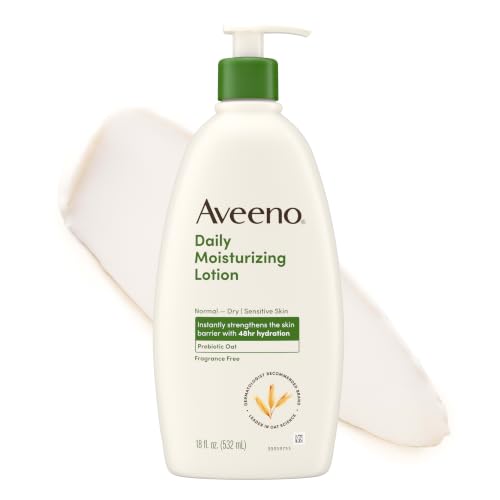
A moisturizer that feels comfortable at bedtime may feel heavy beneath sunscreen the next morning. That’s why comparing products by one highlighted ingredient rarely tells the whole story. Look at the formula as a whole, then consider when and how you plan to use it.
Read beyond the headline
Ingredients such as glycerin and hyaluronic acid are commonly used as humectants, while ingredients like ceramides can be part of formulas designed to support the skin barrier. These roles are a starting point for reading a label, not a guarantee of how a finished product will feel or work for every person. A moisturizer may combine several kinds of ingredients, so don’t treat the front-of-pack callout as the entire formula.
Compare texture and layering
A lotion may spread more lightly than a thick cream, but names and textures vary between products. Think about whether you want something that disappears quickly, leaves a more cushioned finish, or sits comfortably under your sunscreen and makeup. If you can test a sample, notice how much you use and whether the product pills when layered with the rest of your routine.
Choose for your real routine
Rather than buying a moisturizer for a long list of promised benefits, decide what would make it useful in your day: a lighter feel in the morning, a richer texture at night, or a formula that layers without fuss. Check the ingredient list if you already know you need to avoid a particular ingredient, and introduce new products thoughtfully. Glow Guide may earn a commission from qualifying purchases made through affiliate links, at no extra cost to you.