When persistent drowsiness leads to a referral, patients usually face a wall of unfamiliar tests and fewer explanations than they expected. The most common questions are practical: what happens during testing, does it hurt, and what will the results actually change? Understanding the options, and knowing which test fits your situation, demystifies an otherwise intimidating process.
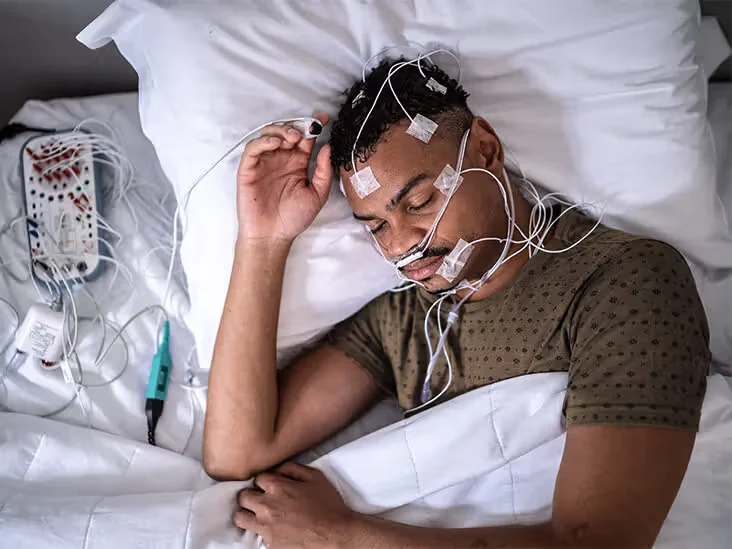
Overnight polysomnography in a sleep lab records brain waves, oxygen levels, heart rhythm, and movement to diagnose apnea and other physiological disorders. The multiple sleep latency test, done the day after, measures how quickly you fall asleep in quiet situations and helps identify narcolepsy. Home sleep apnea tests offer a simpler, less expensive alternative for straightforward cases, while actigraphy watches sleep-wake cycles over weeks using a wrist sensor.
Sleep researchers note that no single test is universal; each one answers a different clinical question, and misapplied testing wastes time, money, and patience. A two-week sleep diary often precedes formal studies because it reveals real-world patterns a single lab night simply cannot capture, such as shift-work misalignment or chronic short sleep.
Before any test, ask exactly what diagnosis it can confirm or exclude and how the result will change your treatment plan. Keep caffeine out entirely on the day of a latency test, and bring a change of clothes, chargers, and your own pillow to the lab. Small comforts make an awkward night in an unfamiliar bed far more survivable.