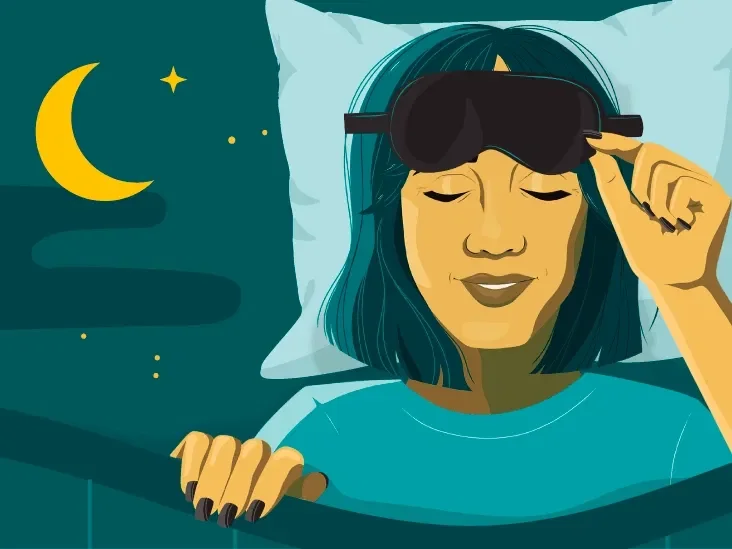
sleep hygiene is the unglamorous foundation of good rest: the environmental and behavioral rules that make sleep more likely without medication. Clinics hand out long checklists, and most of them work, but the sheer number of tips can overwhelm readers. A focused dozen habits covers the highest-impact changes anyone can make this week.
The core principles repeat across expert guidelines. Keep a consistent wake time seven days a week. Reserve the bed for sleep and intimacy only. Cut caffeine by early afternoon. Dim bright lights and silence screens an hour before bed. Keep the room cool, dark, and quiet. Exercise regularly, but not within a few hours of bedtime. Avoid alcohol as a sleep aid, skip heavy late meals, and manage worries with a written to-do list earlier in the evening.
Sleep researchers note that behavior changes work through circadian anchoring and stimulus control: the brain learns to associate bed with sleep when it stops rehearsing work emails and scrolling there. Studies of cognitive behavioral therapy show these same levers can outperform sleeping pills for chronic insomnia over the long run.
Pick two or three habits, not all twelve, and hold them steady for a full month before judging. Track how quickly you fall asleep each night and how you feel at breakfast. Small, consistent edits to your daily routine reliably beat heroic weekend overhauls that collapse by Monday morning.