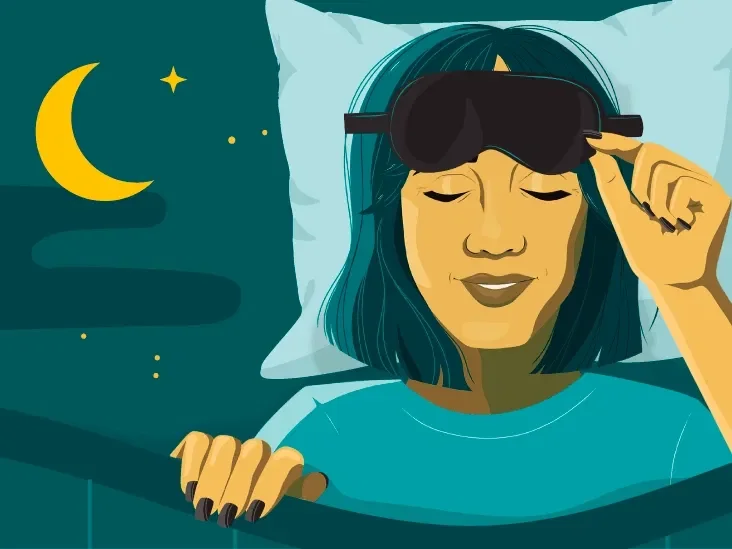
Feeling sleepy after a long lunch is ordinary; dozing off in meetings, conversations, or behind the wheel is not. Excessive daytime sleepiness, the persistent inability to stay alert despite adequate opportunity for sleep, affects a surprising share of adults and carries risks ranging from car crashes to lost productivity. The underlying causes, however, are rarely what most people assume.
The most common culprit is simple sleep deprivation, often hidden behind late screens, shift work, or fragmented nights. Beyond that, sleep disorders such as obstructive sleep apnea, narcolepsy, and restless legs syndrome quietly destroy sleep quality. Medical contributors include thyroid problems, iron-deficiency anemia, depression, and chronic pain, while a surprisingly long list of prescription and over-the-counter drugs causes drowsiness as a direct side effect.
Sleep researchers note that apnea is especially underdiagnosed because many patients never realize they stop breathing hundreds of times a night; a bed partner's report of loud snoring or gasping is often the only clue anyone notices. Screening questionnaires and, when needed, overnight testing separate ordinary tiredness from genuinely treatable disease.
Start with two weeks of honest sleep logging and a consistent wake schedule before assuming the worst. If drowsiness persists despite those changes, see a clinician rather than relying on ever-larger doses of caffeine. Never self-treat sudden, severe sleepiness, particularly if you drive; it is a serious safety issue, not a personality flaw or a sign of laziness.