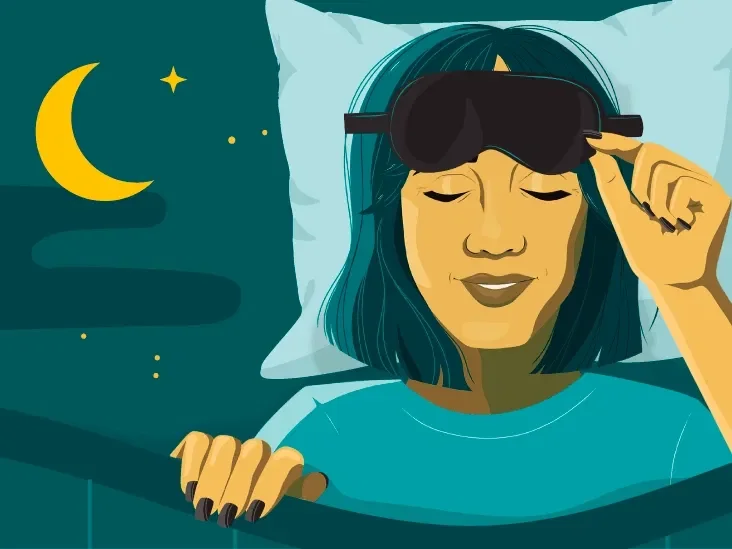
Nocturnal awakenings are universal; the difference between a good night and a ruined one is what happens next. Waking to use the bathroom or from a noise is normal, yet many people spend the following hour wide-eyed, clock-watching, and catastrophizing. The strategies that restore sleep are mostly about lowering arousal, not forcing unconsciousness.
Specialists recommend a short playbook: keep the lights dim, avoid checking the time or your phone, breathe slowly through the nose, and relax the jaw and shoulders. If twenty minutes pass, get out of bed and sit somewhere quiet until drowsiness returns. Refrain from clock arithmetic about remaining sleep, skip sugary midnight snacks, and never argue with your thoughts. A warm foot bath or a few pages of a dull book can ease the transition back.
Sleep researchers explain that conditioned arousal is the engine of middle-of-the-night insomnia: the bed becomes a cue for worry rather than rest. Getting up briefly re-breaks that association, while bright light exposure, phone scrolling, and mental stimulation immediately re-ignite it. Whatever strategy you choose, consistency matters far more than any single trick, because the brain relearns old habits quickly.
Occasional awakenings are a normal part of sleep architecture and need no treatment at all. If they occur more than a few nights weekly for months, or arrive alongside loud snoring, crawling sensations in the legs, or persistent low mood, a clinician can check for apnea, restless legs, or anxiety disorders that deserve targeted, effective care rather than white-knuckled endurance.