restless legs syndrome keeps an estimated millions of people awake, pacing, and rubbing their legs in search of relief from the irresistible urge to move. When standard medications leave patients with side effects or incomplete benefit, many turn to an older remedy: acupuncture. Once dismissed as folklore, this ancient practice is now attracting genuine scientific attention.
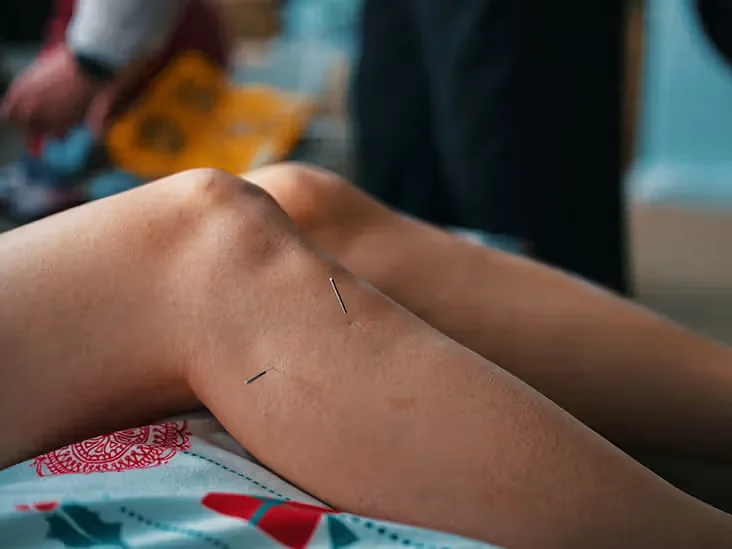
During a session, a trained practitioner inserts hair-thin needles at specific points along the legs and lower back. Proponents believe the stimulation rebalances the nervous system, and sleep researchers note that several small clinical trials have reported reductions in symptom severity scores among participants who received regular treatments. Imaging studies hint that acupuncture may influence dopamine pathways and reduce the hyperarousal that often accompanies the condition at night.
The evidence, experts caution, remains preliminary. Many studies are short, involve few participants, or compare acupuncture against inadequate sham controls, making it difficult to separate real physiological effects from the powerful placebo response that needle rituals can trigger. Guidelines from major sleep medicine bodies therefore stop short of recommending acupuncture as a first-line therapy, though some acknowledge it as a reasonable complementary option for patients seeking drug-free relief.
For those willing to try it, specialists suggest a practical approach: seek a licensed acupuncturist experienced with sleep complaints, commit to several sessions before judging results, and keep a symptom diary to track changes. Acupuncture should complement, not replace, evaluation for iron deficiency and other treatable contributors. Combined with proven habits like regular movement and consistent sleep timing, it may help quiet restless legs — one needle at a time.