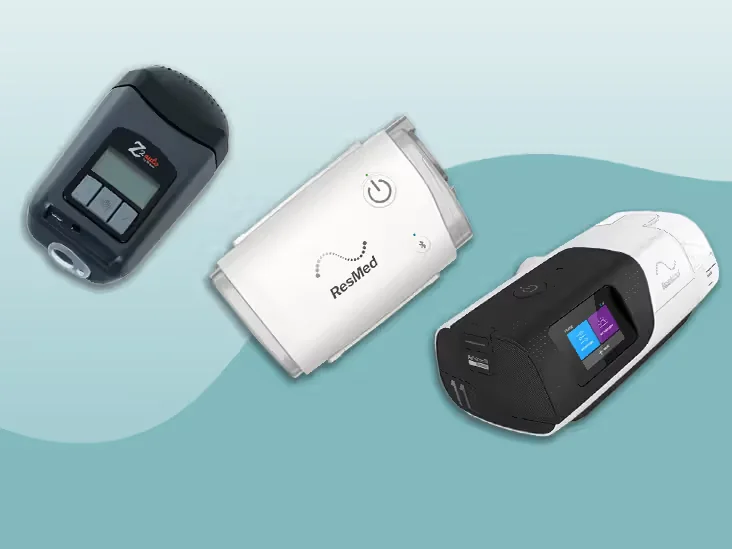
For anyone newly prescribed cpap therapy, the next surprise is the shopping list: dozens of machines from competing manufacturers, with specifications written in a language of decibels, pressure ranges, and data cards. After comparing performance, comfort, and connectivity, equipment testers consistently surface five devices that stand out for sleep apnea patients — and for the respiratory therapists who fit them.
What separates the leaders? Sleep equipment specialists point to genuinely quiet operation, which determines whether a partner sleeps; reliable humidification that reduces dryness and irritation; smooth pressure ramping for the fall-asleep window; and automatic modes that adjust airway pressure breath by breath. Long-term durability and responsive service networks matter just as much, since a machine is typically a decade-long commitment rather than a gadget.
Connectivity has become the newest battleground. Researchers note that machines which securely share adherence and event data with clinicians allow therapy to be fine-tuned between office visits, a capability associated with better long-term use. Patients with insurance coverage should confirm which models their plan supports, while frequent travelers may prioritize compact, battery-friendly, travel-certified units.
The practical advice from therapists remains constant: the best machine is the one you will actually wear, so prioritize comfort features and mask compatibility over marginal specification differences. Bring the shortlist to your sleep clinic, trial the top contenders if the provider allows, and let a few nights of real-world use — not the brochure — make the final call.