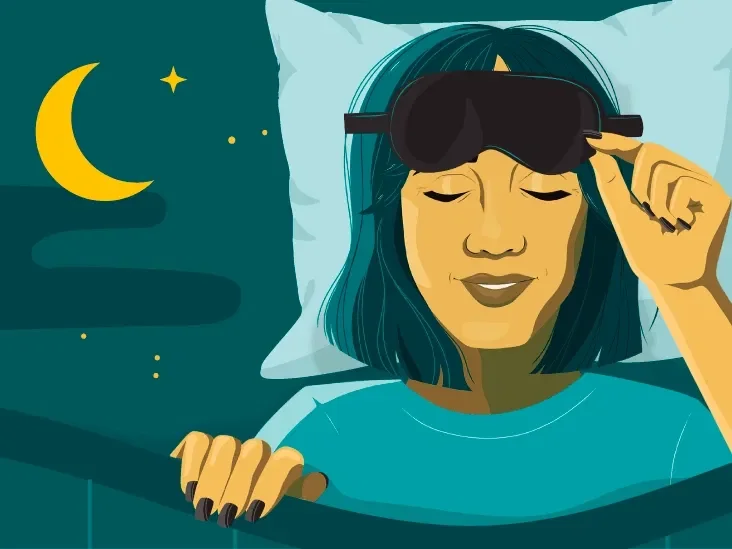
The clock reads 2 a.m. and the ceiling has become the most familiar object in the room. For people living with insomnia, the goal is not a philosophy of rest but a practical exit from those long, frustrated hours. Sleep behavioral specialists describe a step-by-step protocol — built on decades of research — designed to shorten the time between lying down and losing consciousness.
The foundation is stimulus control, researchers note: the bed must stop functioning as a site of wakefulness. The rule is strict — if sleep has not arrived within roughly twenty minutes, get up, move to dim light, do something quiet and unstimulating, and return to bed only when drowsy. Pairing this with a fixed morning wake time rebuilds the sleep drive that excessive hours in bed steadily erode.
Calming the racing mind forms the second pillar. Techniques with supporting evidence include paced breathing that lengthens each exhalation, progressive muscle relaxation from jaw to toes, and a brief written dump of tomorrow’s tasks completed well before lights-out. A cool, dark room and a consistent pre-sleep routine strengthen the body’s natural wind-down signals, and sleep researchers emphasize that managing evening light exposure is among the most powerful variables within anyone’s control.
What not to do matters equally: no clock-watching, no lying in bed problem-solving, and no large late meals or alcohol, which fragments the second half of the night. Insomnia that persists beyond three months despite consistent practice deserves a clinical evaluation and formal cognitive behavioral therapy — the treatment with the strongest long-term evidence base.