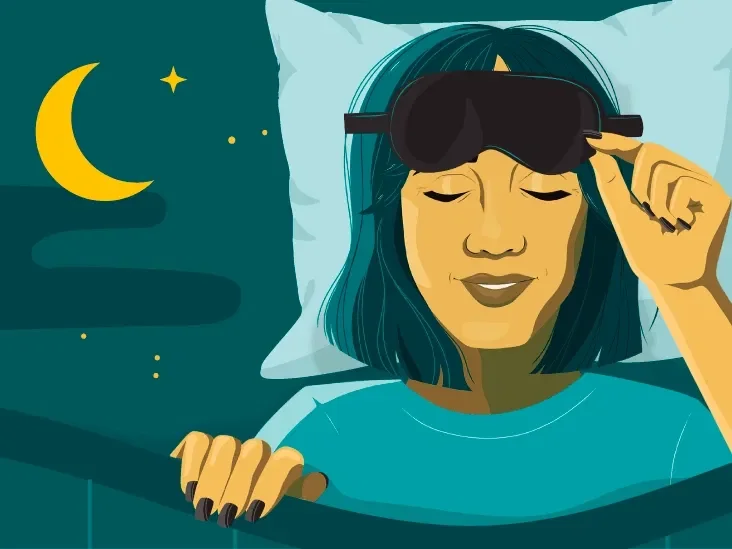
When a partner reports stopped breathing at night, or exhaustion refuses to lift despite a full night in bed, physicians often order the same next step: a sleep study. The test, formally called polysomnography, is the gold standard for diagnosing sleep-disordered breathing — and understanding what actually happens during one removes much of the anxiety patients feel beforehand.
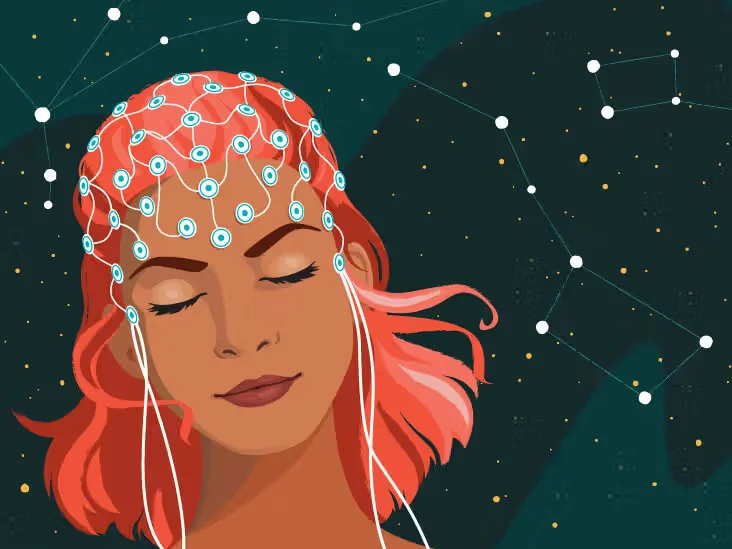
During the study, sensors attached to the scalp, face, chest, and fingers record brain waves, eye movements, muscle tone, heart rhythm, breathing effort, airflow, and blood oxygen through an entire night of sleep. A trained technician monitors the data in real time from an adjacent room. The result is a detailed map of exactly where, when, and why sleep is fragmenting.
Clinicians use the recordings to count apnea and hypopnea events per hour, identify sleep-stage abnormalities, and rule out conditions such as periodic limb movement disorder. Researchers note that simplified home-based tests can capture similar breathing data for straightforward cases, but the laboratory remains the reference standard when multiple conditions are suspected or earlier results were unclear.
Preparation is simple: bring pajamas and toiletries, avoid caffeine and alcohol that day, and plan to sleep as you normally would. The findings go to the ordering physician, who translates the event counts into a severity score and a treatment plan. For many patients, the study turns out to be the first night in years that an unexplained problem finally has a name — and a fix.