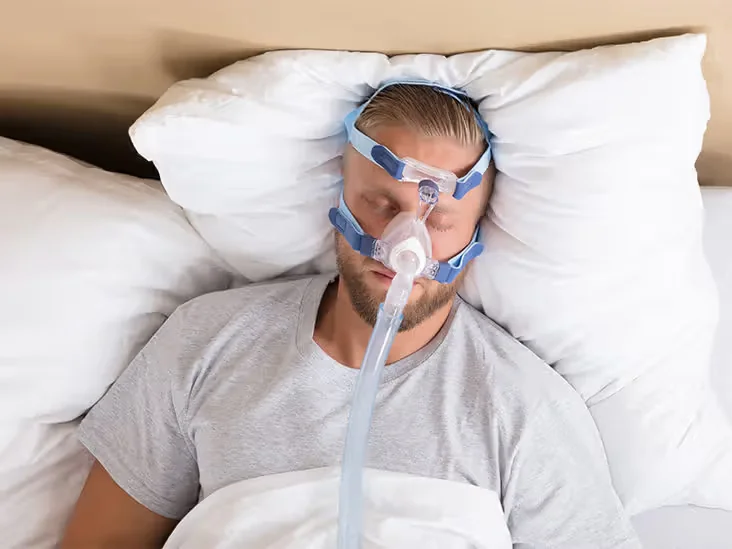
For millions of people diagnosed with obstructive sleep apnea, treatment arrives in the form of a small humming device on the nightstand. A continuous positive airway pressure machine, or cpap, is the most effective nonsurgical therapy available for the condition — yet many patients begin therapy without ever understanding what the mask, hose, and motor actually do while they sleep.
The mechanism is surprisingly simple. In apnea, the soft tissues at the back of the throat repeatedly collapse and block the airway during sleep. A CPAP unit draws in room air, filters it, and delivers a gentle stream of pressurized air through a mask, creating an aerodynamic splint that holds the airway open. Sleep physicians compare the effect to keeping a garden hose from kinking by maintaining steady pressure inside it.
Modern machines are far quieter than early models and include humidity and ramp features that ease the adjustment period. Researchers note that the most common reason therapy fails is not the device itself but inconsistent use, and studies show that careful mask fitting and comfort settings dramatically improve nightly adherence. Partners often report the first genuinely quiet night in years within the opening weeks of proper use.
New users should expect a short acclimation: wear the mask for an hour while relaxing before bedtime, address leaks promptly, and bring your usage data to follow-up appointments. Most machines quietly record hours of use and airway events, giving clinicians objective feedback to fine-tune pressure. Persistence during the first month usually decides whether therapy sticks for good.