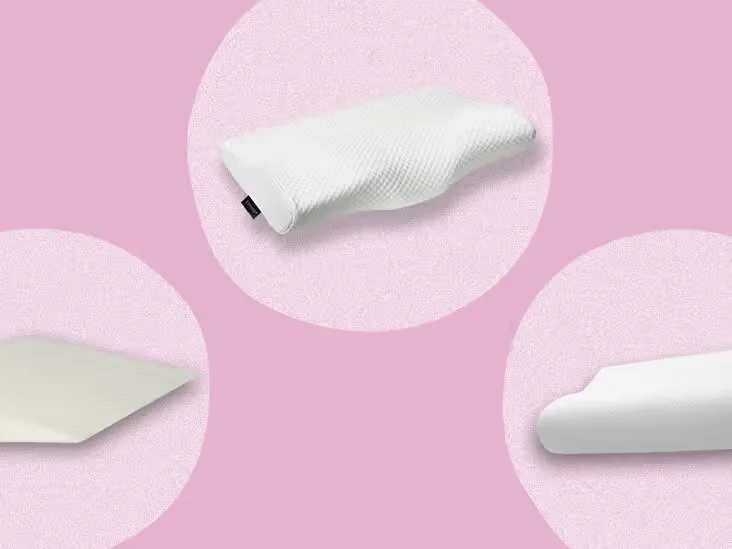
Snoring affects roughly one in five adults at some point in their lives, and the bedding industry has responded with a wave of so-called anti-snore designs. After comparing eight of the most popular options, product testers and sleep clinicians say the category genuinely works — but only for a specific kind of snorer, and only when the underlying mechanics make sense for your anatomy.
The logic behind these pillows is anatomical. Snoring often worsens when the head and neck fall into positions that partially collapse the upper airway. Contoured cervical pillows, elevated wedges, and side-sleeping supports are engineered to keep the neck aligned and the airway open, reducing the tissue vibration that produces the sound. Sleep researchers note that positional changes can measurably lower snoring frequency in mild, mechanical cases.
Experts caution, however, that no pillow can treat obstructive sleep apnea, a condition in which the airway repeatedly closes during the night. Red flags such as witnessed breathing pauses, gasping awakenings, morning headaches, and persistent daytime drowsiness warrant medical evaluation rather than another shopping trip. The eight pillows reviewed here differ in loft, firmness, cooling materials, and adjustability, and testers emphasize matching the design to your usual sleeping position.
For occasional mechanical snoring, a structured trial period is the most practical approach. Give a new pillow two to three weeks of consistent use, and if possible record snoring with a phone app to see whether the patterns change. When the right contour fits your body, the payoff can be quieter nights — and a far better-rested partner in the same bed.