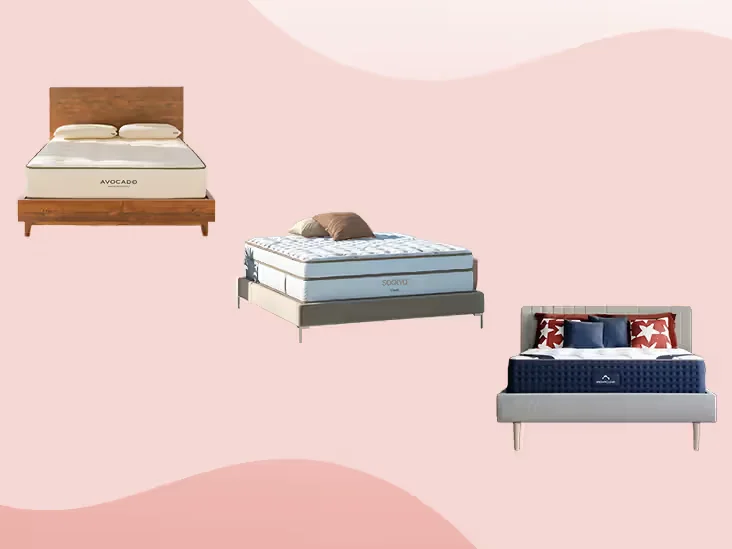
For the millions of adults who wake up stiff, sore, or restless, the mattress beneath them may be the most overlooked variable in sleep quality. Sleep researchers and physical therapists increasingly point to medium-firm surfaces as the most broadly forgiving option, and a new round of hands-on testing has narrowed a crowded market to six standout models that balance support and comfort better than their rivals.
The reasoning is physiological. During deeper stages of sleep, muscles relax and the spine loses the active support it receives while standing. A surface that is too hard keeps pressure on the shoulders and hips, while one that is too soft lets the lower back sag out of alignment. Medium-firm construction aims to sit in the middle, cradling pressure points while keeping the spine roughly neutral through the night.
Specialists note that body weight, sleeping position, and chronic pain all shift the ideal point on the firmness scale. Side sleepers generally need more give at the shoulders, while heavier back sleepers often require denser support layers. Testing programs that rated these six mattresses evaluated motion isolation, edge support, cooling, and durability — factors that laboratory studies link to fewer nighttime awakenings and more stable sleep.
Shoppers can use the shortlist as a starting point rather than a verdict. Most manufacturers offer extended trial windows, so buyers can sleep on the surface for several weeks and note whether morning stiffness improves. Keeping a brief log of comfort and sleep quality makes the eventual decision evidence-based instead of guesswork, and takes the pressure out of a purchase that will shape a third of your life.