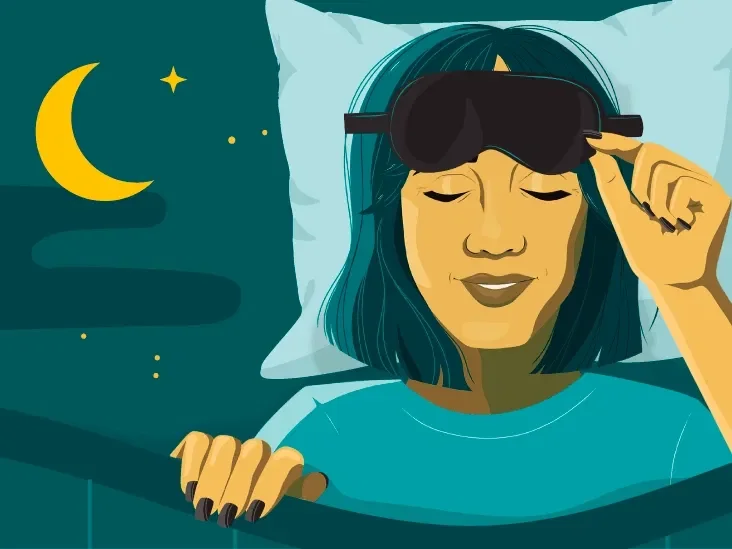
Night amplifies worry. The house is quiet, the day's defenses are down, and the mind turns precisely to the thoughts best left for morning. For many anxious sleepers, the hours after lights-out are the hardest of the entire day — and researchers say a handful of concrete, repeatable habits can blunt the effect considerably.
The core strategy is containment. A scheduled worry period earlier in the evening, with concerns written down and the notebook then physically closed, gives racing thoughts a time and place that is not the bed. Dimming lights, limiting news and social media after dark, and holding a steady wind-down routine all signal safety to a vigilant nervous system that mistakes silence for threat.
Sleep researchers note that trying to force calm usually backfires, because vigilance feeds on effort itself. Paradoxically, accepting possible wakefulness while following simple rules — stay in bed only when sleepy, get up if frustration builds, return when drowsy again — reduces the arousal that keeps anxiety and insomnia locked together. Breathing exercises and body scans work best as gentle attention anchors rather than as sedatives in disguise. Persistent panic, palpitations, or gasping nights deserve medical evaluation.
Tonight, set a fifteen-minute worry window before brushing your teeth, keep the phone out of arm's reach, and let the notebook hold what the mind cannot. If nights of dread continue for weeks, a therapist can teach structured techniques that reliably outperform any home routine.