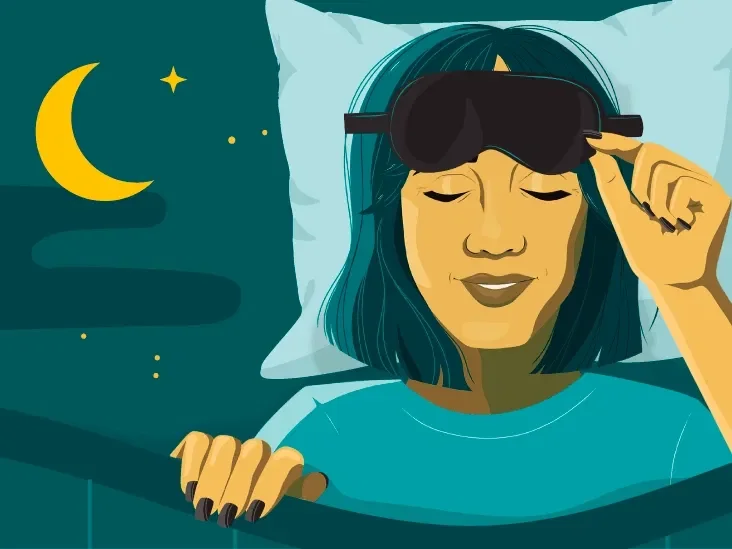
When stress hits, the fastest route to calming it may run through the one system you can control voluntarily: your breath. Ten simple techniques now circulate through therapy offices and sleep apps alike, and each is built on the same physiological lever — slowing the breathing rhythm to shift the nervous system out of fight-or-flight mode and toward rest.
The methods vary in structure. Box breathing counts equal intervals of inhale, hold, exhale, and pause. The 4-7-8 pattern lengthens the exhale, the limb of the cycle that engages the calming branch of the nervous system. Physiological sighs pair a double inhale with a long exhale, diaphragmatic breathing focuses on slow belly rise, and techniques such as alternate-nostril or humming breath add sensory anchors for especially restless minds.
Sleep researchers note that paced breathing reliably lowers heart rate and subjective arousal, and small trials report faster sleep onset and fewer nighttime awakenings in stressed and insomniac participants. The caveat is attention: the goal is a rhythm that feels natural, not perfect form, because straining to breathe correctly can itself become a fresh source of frustration at midnight.
Practice for a few minutes during the day so the technique is familiar when you need it at night, then use it in bed with eyes closed for several unhurried cycles. If thoughts interrupt the count, simply return to it without judgment — the gentle repetition is the entire point.