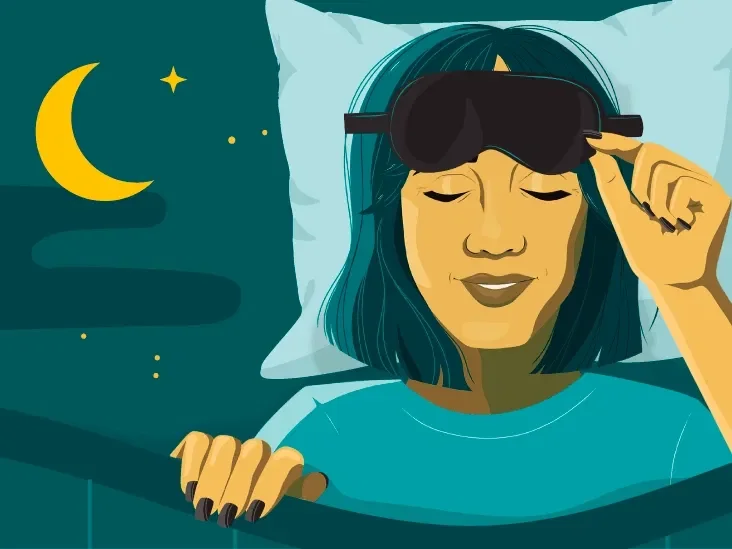
Anxiety and insomnia arrive so often as a pair that clinicians sometimes describe them as two faces of the same problem. The worrier lies awake; the insomniac grows anxious about sleep itself. Understanding the loop — and where it tends to start — is the first step to breaking it, and researchers now map the connection in far more detail than simple blame on stress ever provided.
The mechanism runs in both directions. Anxiety raises heart rate, muscle tension, and hypervigilance, the exact physiology that blocks sleep onset. In turn, short sleep amplifies emotional reactivity: brain imaging studies show heightened amygdala response and reduced calming control from prefrontal regions after a poor night, which makes the next day's worries louder and harder to dismiss.
Sleep researchers note that chronic insomnia frequently both predicts and results from anxiety disorders, and that untreated sleep loss can make therapy for anxiety less effective. The encouraging news, they emphasize, is that the loop can be cut at either point: cognitive behavioral therapy for insomnia reduces anxiety symptoms even when anxiety was never its target, and treating anxiety disorders often restores sleep.
Practitioners suggest naming the loop explicitly: hold a fixed wake time, keep the bed reserved for sleep, and schedule a brief worry period earlier in the evening so racing thoughts have somewhere else to go. When either condition dominates for months, an integrated treatment plan works better than fighting them separately.