Going to bed hungry is its own sleep saboteur, yet the wrong midnight snack can undo an otherwise well-managed night. The question is less whether to eat before bed than what belongs on the plate. Nine options consistently earn support from sleep and nutrition researchers, from tart cherry juice to a small handful of walnuts.
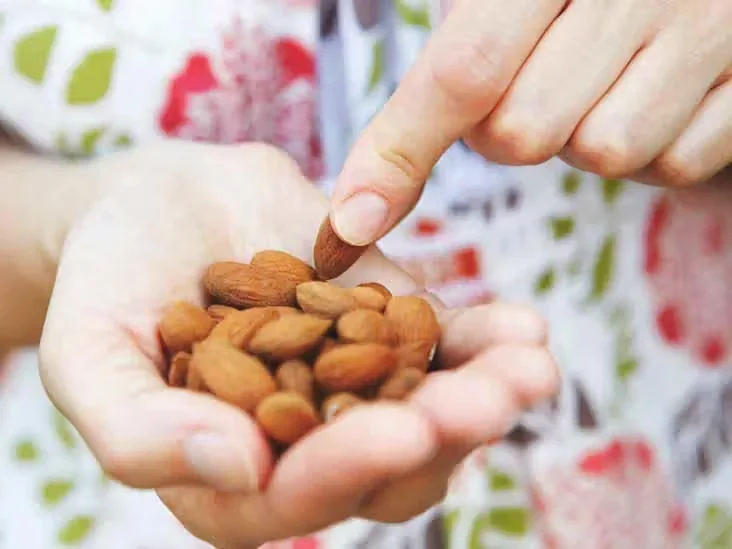
The common thread is light, familiar food that supplies the building blocks of sleep without overloading digestion. Complex carbohydrates, modest protein, and natural sources of melatonin, magnesium, and tryptophan feature prominently: warm milk, kiwi, almonds, banana with peanut butter, a small bowl of oatmeal, fatty fish at dinner, and caffeine-free herbal teas such as chamomile and passionflower.
Sleep researchers note that the evidence for individual foods is modest and often drawn from small studies, so no snack is a cure. What is well supported is the overall pattern: heavy, spicy, or high-sugar meals late at night worsen reflux and fragment sleep, while a small balanced snack can prevent the hunger awakenings that pull people out of deeper stages. Caffeine timing and alcohol remain the far bigger dietary levers.
Keep pre-bed portions small, simple, and consistent, and finish eating at least an hour before lying down if reflux is a concern. If nighttime eating has become a stress response rather than real hunger, experts suggest pairing the snack with a wind-down routine so the habit serves sleep instead of substituting for it.