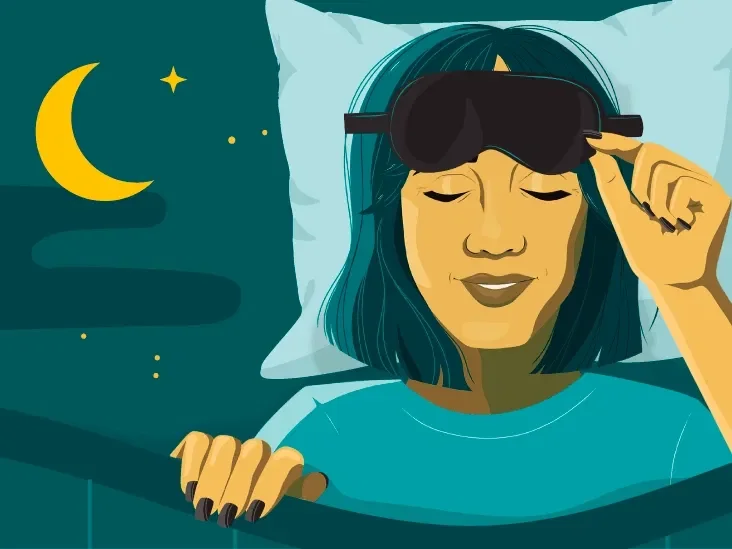
Before reaching for medication, many exhausted sleepers try to fix insomnia with what they already have: a dark room, a warm drink, a tired body. Some of these home approaches have genuine science behind them, while others are comforting rituals with little measurable effect. This guide separates the strategies worth a real trial from the folk wisdom best left at the kitchen table.
The most credible remedies borrow directly from cognitive behavioral therapy for insomnia, the gold-standard treatment. They include compressing time in bed to build sleep drive, leaving the bedroom when awake for long stretches, keeping a strict consistent wake time, and reserving the bed for sleep alone. Lifestyle adjustments — cutting late caffeine, limiting evening alcohol, dimming lights, and cooling the room — then address the most common triggers.
Sleep researchers note that these techniques work because they retrain the brain's conditioned association with the bed rather than sedating it, which is why their benefits often outlast those of pills. They caution, however, that home strategies tend to fail when the underlying cause is a disorder such as sleep apnea or restless legs syndrome, and that years of unbroken sleeplessness deserve a professional evaluation.
Start with two or three changes and hold them steady for a few weeks while keeping a simple log of nights. If insomnia has lasted three months or more, or daytime function is clearly suffering, clinical guidelines point toward a clinician-supervised program rather than yet another remedy.