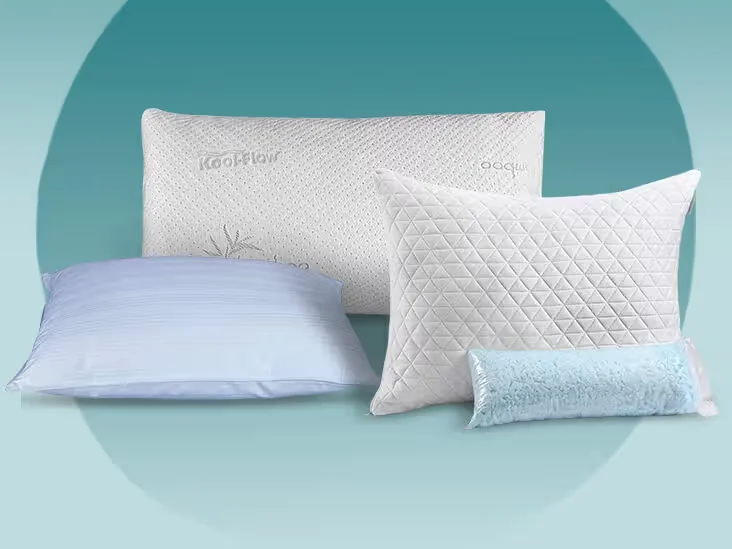
Neck pain that flares in the morning often traces back to the one object under your head for eight hours a night. With dozens of options claiming orthopedic precision, choosing a pillow can start to feel like a medical decision. This roundup of ten highly rated picks explains how loft, firmness, and material affect spinal alignment — and which factors matter most for side, back, and stomach sleepers.
Contour memory foam models dominate the category, offering a dipped cradle for the head and a raised curve of support for the neck. Latex versions sleep cooler and bounce back faster, shredded fill allows do-it-yourself adjustment of height, and traditional down-alternative stuffing suits sleepers who change positions often and dislike a fixed shape pressing into them all night.
Sleep researchers note that the evidence linking specific pillow designs to pain relief is modest but real: small trials have shown contour pillows improving neck discomfort and sleep quality compared with standard fill. The consensus is that fit beats brand — the right pillow keeps head and neck level with the spine for your usual sleeping position, and a pillow that feels neutral within minutes is rarely worth keeping.
Because alignment is deeply personal, experts suggest buying from retailers with generous trial windows and giving each candidate a week or two of real nights. Persistent pain, numbness, or morning headaches should be evaluated by a clinician rather than outsourced to new bedding.