Millions of adults lie awake each week, and a fast-growing consumer industry has answered with a shelf full of products promising to end the struggle. From weighted blankets to sound machines, the options can feel as overwhelming as insomnia itself. This guide sorts the most popular categories, explains what each one claims to do, and highlights which are grounded in plausible sleep science rather than pure marketing hype.
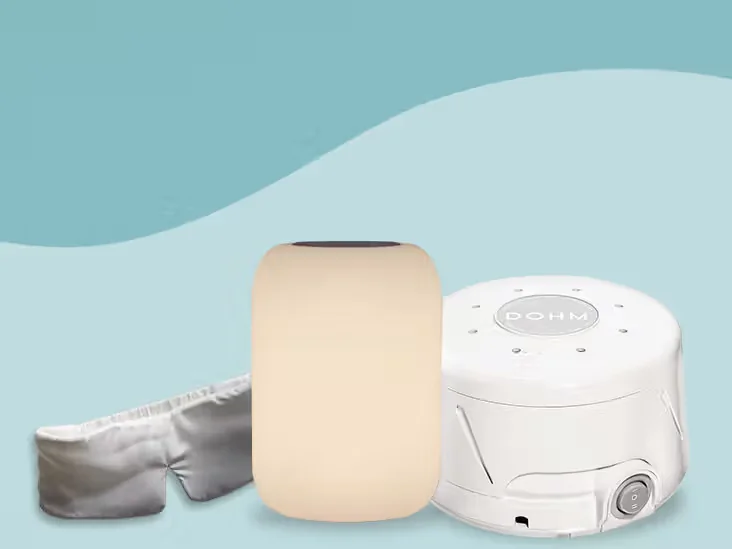
The lineup typically covers tools that address the main triggers of restless nights: light, noise, temperature, and anxiety. Blackout curtains and eye masks block signals that delay melatonin release. White-noise machines mask household sounds that fragment lighter sleep stages. Weighted blankets and cooling sheets target physical comfort, while sunrise alarms and sleep trackers aim to reshape habits gradually over weeks of consistent use.
Sleep researchers note that the evidence varies widely across categories. Temperature control and light exposure have well-documented effects on the body clock, whereas gadgets marketed as cures tend to have thinner published support. Experts generally recommend treating products as aids layered on top of behavioral changes — consistent wake times, a dark cool bedroom, and a wind-down routine — rather than as replacements for cognitive behavioral therapy for insomnia, which remains the first-line treatment in clinical guidelines.
Shoppers are advised to start with the lowest-cost changes, trial one product at a time for several weeks, and keep a simple sleep log to judge real effects. If sleeplessness persists for months, a clinician should be consulted.