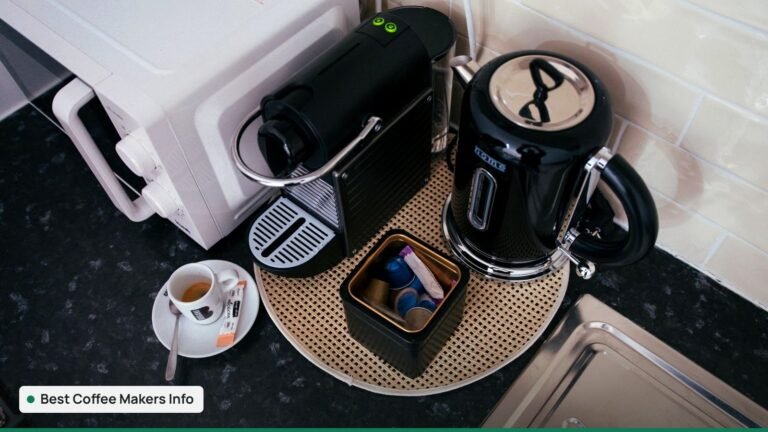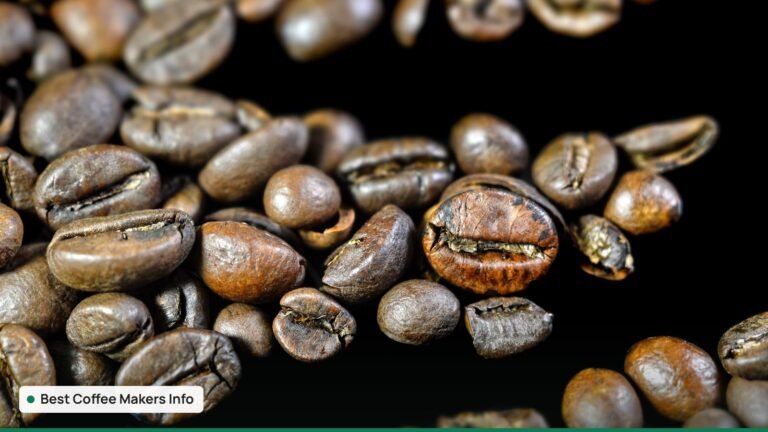
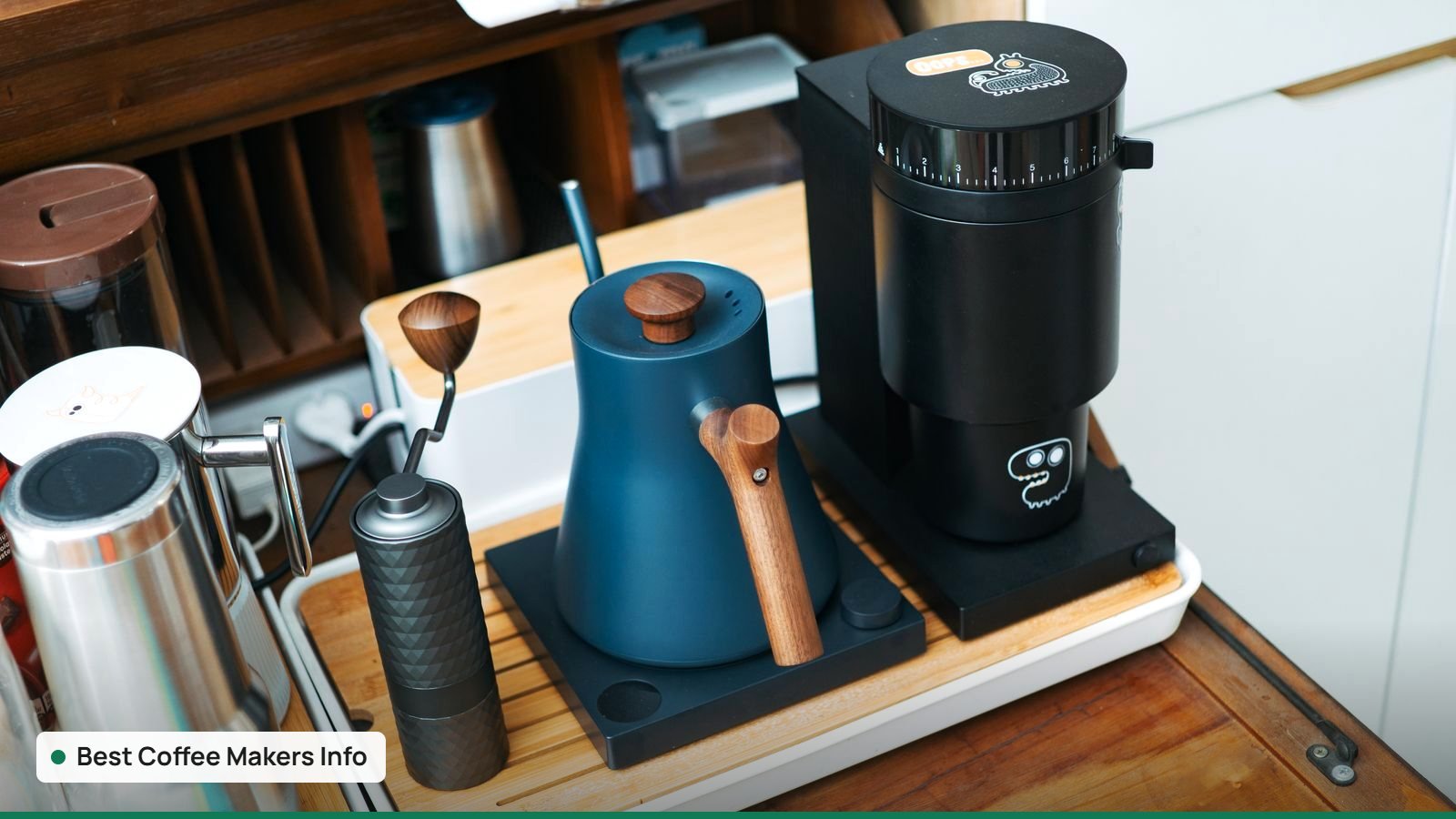
If you want better coffee at home, the most effective upgrade is often not a new coffee maker at all: it is a better grinder. Coffee starts losing aroma within minutes of grinding, and an uneven grind makes even an excellent machine brew sour and bitter coffee at the same time.
The big choice is between a blade grinder and a burr grinder. Here is how they work, how they compare, and which one you actually need.
Quick answer: A burr grinder produces a far more consistent grind and better-tasting coffee, and it is essential for espresso. A blade grinder is cheaper and fine for casual drip or French press coffee, but its uneven results limit flavor.
In this guide: How each grinder works · Side-by-side comparison · Conical vs. flat burrs · Grind size chart · Which should you buy? · FAQ
How blade and burr grinders work
Blade grinders
A blade grinder works like a small blender: a spinning metal blade chops the beans. The longer you grind, the finer it gets, but you end up with a mix of large chunks and fine powder. The large pieces under-extract (sour) while the fines over-extract (bitter).
Burr grinders
A burr grinder crushes beans between two abrasive surfaces (burrs) set a precise distance apart. Coffee only passes through once it is small enough, which produces particles of a much more consistent size. You choose the grind size with a dial, so you can repeat the same setting every day.
Burr vs. blade: side-by-side comparison
| Blade grinder | Burr grinder | |
|---|---|---|
| Grind consistency | Uneven | Consistent |
| Flavor | Can be sour and bitter at once | Balanced and repeatable |
| Grind size control | By time (guesswork) | Precise dial settings |
| Works for espresso | No | Yes (espresso-capable models) |
| Typical price | $15–$35 | $50–$300+ |
| Noise and heat | Loud; can heat the beans | Quieter; less heat |
| Size | Very compact | Larger |
Conical vs. flat burrs
Burr grinders come in two designs. Conical burrs (a cone inside a ring) are common in home grinders, tend to be quieter, and retain less coffee. Flat burrs (two parallel rings) are popular in cafés and high-end grinders and are prized for very uniform grinds. For home brewing, either design makes a huge improvement over a blade grinder; the quality of the specific grinder matters more than the burr shape.
Coffee grind size chart
| Brewing method | Grind size | Looks like |
|---|---|---|
| Espresso | Fine | Powdered sugar to table salt |
| Pour-over (V60) | Medium-fine | Fine sand |
| Drip coffee maker | Medium | Regular sand |
| Chemex | Medium-coarse | Rough sand |
| French press | Coarse | Sea salt |
| Cold brew | Extra coarse | Cracked peppercorns |
Not sure which brewing method you want? Read drip vs. pour-over vs. French press.
Which grinder should you buy?
- You make espresso: you need a burr grinder built for espresso. Most blade grinders and many entry burr grinders cannot grind fine and evenly enough. See our beginner espresso guide for grinder advice.
- You brew drip, pour-over or French press and care about flavor: an entry-level burr grinder is the best coffee upgrade for the money.
- You drink coffee casually and want to spend as little as possible: a blade grinder still beats pre-ground coffee for freshness. Grind in short pulses and shake the grinder to improve evenness.
Tips for getting the most from any grinder
- Grind right before brewing, not the night before.
- Weigh your beans for consistency.
- Start in the middle of the grind range and adjust: finer if coffee tastes sour or weak, coarser if it tastes bitter or harsh.
- Clean your grinder every few weeks to remove old oils and fines.
- Never grind oily flavored beans in an espresso grinder; the oils can clog the burrs.
Pair your new grinder with the right machine using our coffee maker buying guide.
Frequently asked questions
Is a burr grinder really worth it?
Yes. For most coffee drinkers, a burr grinder is the single biggest improvement to flavor, because a consistent grind lets your coffee extract evenly. It is especially important for espresso and pour-over.
Can you use a blade grinder for espresso?
Not effectively. Espresso needs a very fine, uniform grind, and blade grinders produce an inconsistent mix of chunks and powder that leads to fast, sour or uneven shots.
How long do burr grinders last?
A quality burr grinder can last many years. Burrs gradually dull and can usually be replaced; how long they last depends on how much coffee you grind.
Should I buy pre-ground coffee instead?
Pre-ground coffee is convenient, but it loses aroma quickly once the bag is opened. Grinding fresh beans right before brewing gives noticeably more flavorful coffee.