More people are looking for coffee makers with less plastic, whether to reduce contact between hot water and plastic parts, avoid plastic tastes, or simply buy something that lasts longer. The honest truth: almost every electric coffee maker contains some plastic. But you can choose machines with glass, stainless steel and ceramic where it matters most: in the water path and anything that touches your coffee.
Quick answer: For a truly plastic-free cup, choose a manual brewer: a glass pour-over like a Chemex, a stainless steel or glass French press, or a stainless steel moka pot. If you want an electric drip machine, look for one with a glass or stainless carafe and minimal plastic in the water path, and check the manufacturer’s materials information.
In this guide: Plastic-free options compared · Best manual plastic-free brewers · Electric coffee makers with less plastic · What to check before buying · FAQ
Plastic-free coffee options compared
| Brewer type | Main materials | Plastic-free? | Best for |
|---|---|---|---|
| Glass pour-over (e.g. Chemex) | Borosilicate glass, wood collar | Yes | Clean, bright coffee |
| Ceramic or glass pour-over dripper | Ceramic or glass | Yes | Single cups |
| Stainless steel French press | Stainless steel | Usually yes (check the lid knob) | Rich, full-bodied coffee |
| Stainless steel moka pot | Stainless steel | Mostly (handle and gasket vary) | Strong, espresso-style coffee |
| Glass French press | Glass with metal frame | Often has a plastic lid or handle | Budget option |
| Electric drip machine | Mixed: glass/steel carafe, plastic housing | Rarely 100% | Convenience |
The best plastic-free manual brewers
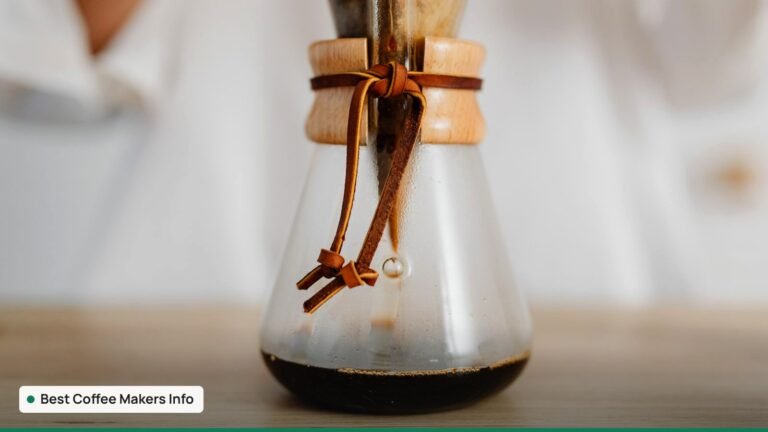
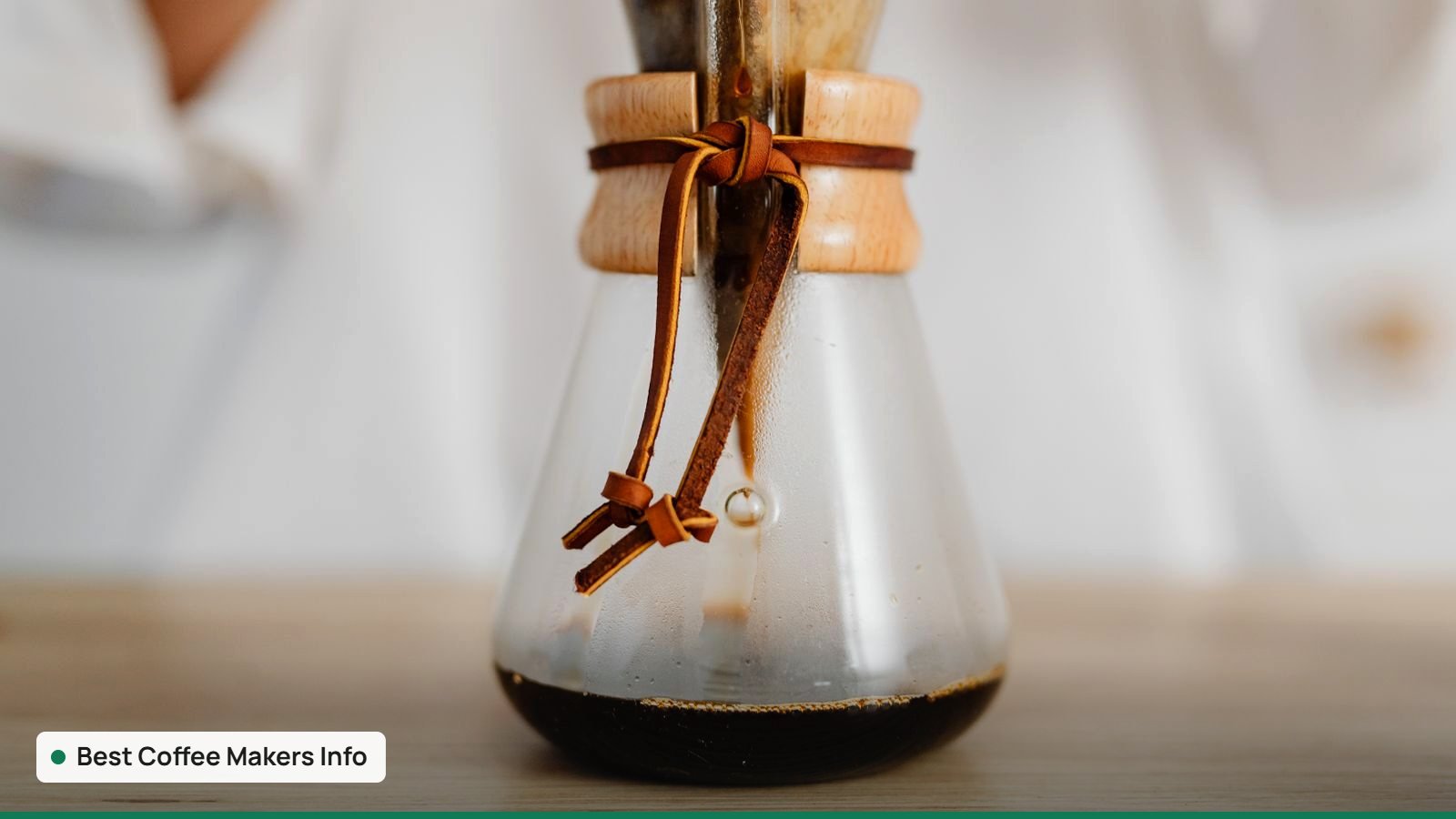
Glass pour-over (Chemex-style)
A glass pour-over brewer is the classic plastic-free option: coffee only touches glass and a paper filter. It makes a clean, bright cup and doubles as an elegant serving carafe. See how pour-over compares in drip vs. pour-over vs. French press.
Stainless steel French press
A double-walled stainless steel French press keeps coffee hot, cannot shatter, and makes rich, full-bodied coffee. Check the plunger knob and lid, which are plastic on some models.
Stainless steel moka pot
Moka pots brew strong, espresso-style coffee on the stove. Stainless steel models work on induction hobs too. Most have a heat-resistant handle and a rubber or silicone gasket, which you can replace when worn.
Ceramic pour-over dripper
A ceramic cone dripper is inexpensive, holds heat well and is ideal for one or two cups.
Electric coffee makers with less plastic
If you want push-button convenience, look for:
- A glass or stainless steel carafe with a glass or metal lid.
- A stainless steel or glass filter basket, or use a stainless permanent filter.
- Manufacturers that state they use BPA-free materials and limit plastic in the water path.
- Long warranties and available spare parts, so the machine lasts longer.
High-end drip machines such as the Technivorm Moccamaster use a copper heating element and glass or stainless carafes, though the housing and some internal parts are BPA-free plastic. See our best drip coffee makers for more.
Checklist before you buy
- Check every part that touches water or coffee: reservoir, tubes, shower head, basket, carafe and lid.
- Read the manufacturer’s materials and BPA-free statements.
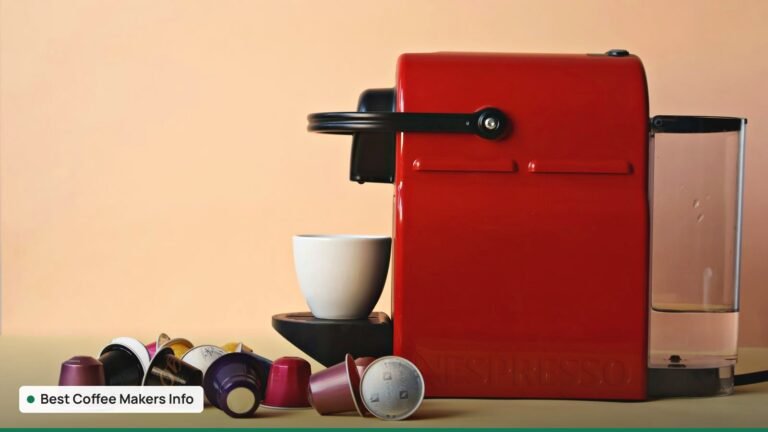
- Avoid plastic pods if reducing plastic is the goal.
- Choose replaceable parts (gaskets, filters) to extend lifespan.
Frequently asked questions
Is there a coffee maker with no plastic at all?
Manual brewers such as glass pour-overs, ceramic drippers, and many stainless steel French presses and moka pots can be completely or almost completely plastic-free. Electric coffee makers almost always contain some plastic.
What is the safest material for a coffee maker?
Borosilicate glass, stainless steel and ceramic are stable, non-reactive materials commonly recommended for brewing coffee.
Are BPA-free coffee makers safe?
BPA-free means the plastic does not contain bisphenol A. Many people still prefer to minimize contact between hot water and plastic, which is why glass and stainless steel brewers are popular.
Is a moka pot plastic-free?
The body of a stainless steel or aluminum moka pot is metal, but the handle, knob and gasket are often heat-resistant plastic or silicone. Choose a model with metal or wooden handles if you want to minimize plastic.